
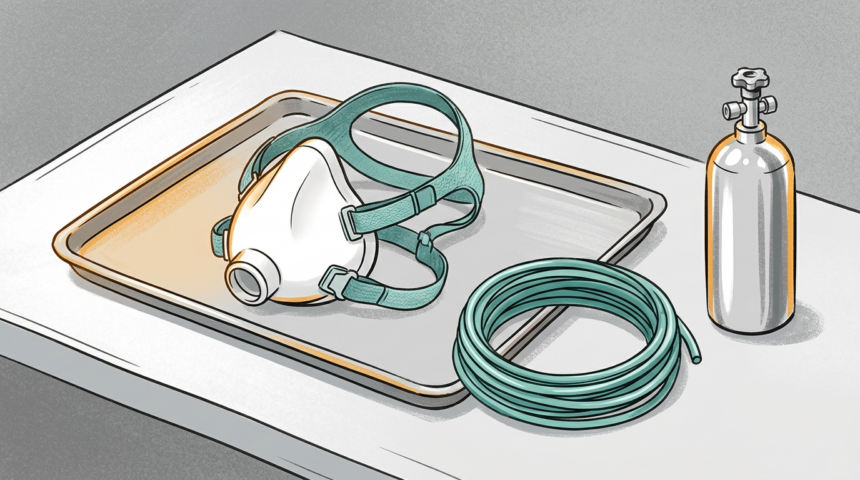
A wearable mask that measures the gases in your breath is about to lose its operator.
The company, run between Malden, Massachusetts and Athens, ships version 2.0 on October 1. The difference is who operates it: the customer. A gym-goer straps the mask on, presses one button and breathes for eight minutes.
The current device requires a trained technician, which confined it to clinics and performance labs. A self-serve version opens fitness centres that have no specialist staff, and potentially pharmacies.
None of the underlying science is novel. VO2 max, the benchmark for cardiorespiratory fitness, has been read out of breath for over a hundred years. The hardware was what held the practice back: heavy, costly and tethered to hospitals, which pushed it toward elite sport and executive health programmes.
The pitch is accuracy that matches a laboratory, in something portable. One test yields 23 biomarkers, according to the company, among them resting metabolic rate and metabolic flexibility – how readily the body flips between fat and carbohydrate as fuel. Chief executive Apostolos Atsalakis contends those readings answer what a blood panel cannot, calories needed per day being the obvious case.
Consumer health hardware has a high mortality rate. PNOE’s ten-year survival, and its move from lab instrument to gym equipment, is the more interesting part of the story.