
TechflierTechflierTechflier
  • Home
  • News
  • Features
  • Spotlight
  • About
    • Mission
    • Services
    • Contact
  • Newsletter
  • Shop
    • All Items
    • By Category
      • Bags
      • T-Shirts
    • Cart
Search
© 2025 Techflier. All Rights Reserved.
Reading: Google Earth’s image generator lasted a day and left doubt
Share
Font ResizerAa
TechflierTechflier
Font ResizerAa
  • Home
  • News
  • Features
  • Spotlight
  • About
  • Newsletter
  • Shop
Search
  • Home
  • News
  • Features
  • Spotlight
  • About
    • Mission
    • Services
    • Contact
  • Newsletter
  • Shop
    • All Items
    • By Category
    • Cart
Have an existing account? Sign In
Follow US
© 2025 Techflier. All Rights Reserved.
News

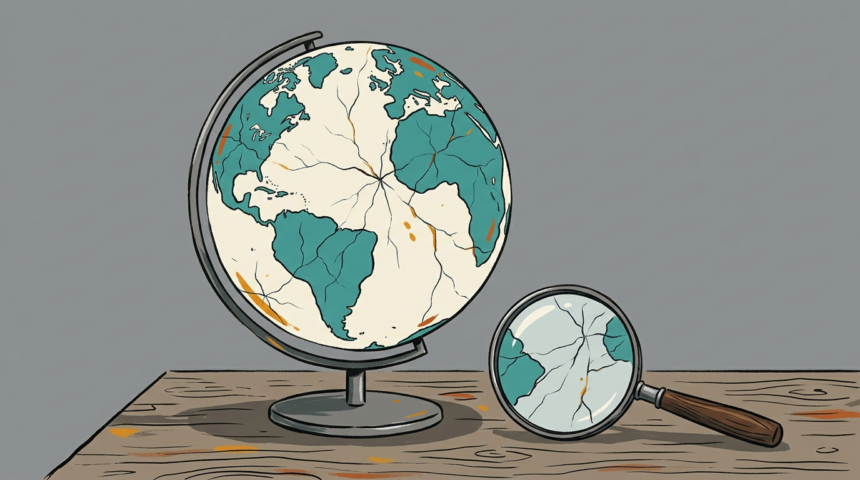
Google Earth’s image generator lasted a day and left doubt

A generative feature that let users blend fake satellite scenes into real maps was pulled within 24 hours, and the trust damage outlasted it.

Techflier Staff
Last updated: September 13, 2026 9:12 pm
Techflier
Share
SHARE

Google switched on generative image creation inside Google Earth on July 30 and pulled it within 24 hours. The episode, documented by Witness associate director Mahsa Alimardani for Rest of World, shows how quickly a trusted verification tool can become a fabrication engine.

The mechanics were simple, which was the point. Pick real coordinates, describe a scene, and the tool layered a photorealistic rendering over live satellite and aerial imagery. Iran gained a nuclear plant, a Gaza hospital gained a bomb crater, and the US Capitol flooded, all within hours.

That mattered because Google Earth has for two decades been the closest thing to ground truth for open-source investigators, the platform where conflict analysts are formally trained. Google pulled the feature and said it would return with stronger guardrails.

The timing made it worse. Since strikes on Iran began in February, authorities and journalists have leaned on commercial satellite imagery to separate fact from fiction, while the US government restricted press access to imagery of the region on wartime grounds, narrowing the supply of real evidence as fakes spread.

Watermarks help only where they exist. AI-generated footage of an explosion at Iran’s Evin prison circulated without one, and Citizen Lab later attributed it to an AI-enabled influence operation. Detection arrived days later; the doubt had already done its work.

Alimardani’s conclusion is that confidence in the visual record is now infrastructure, and that provenance and detection have to be tested before release in the places where the stakes are highest, not retrofitted after an outcry.


Baidu Signals the End of the Model Wars: Why AI Agents Are What Actually Matters Now
Revolut says impostors used a government email to lift customer IDs
Zetwerk refiles for IPO as $310M raise leans on debt relief
Xiaomi unveils Robotics-U0 embodied AI foundation model
Open-source AI infrastructure startup Together AI raises $800M at $8.3B
TAGGED:AI regulationAI safetydeepfakesgeospatialGoogle Earthmedia literacy
SOURCES:Rest of World
Share This Article
Facebook Copy Link Print
Previous Article Frontier labs raid Big Tech’s Asia leadership bench
Next Article Lagos carpool startup bets on shared rides after Uber’s exit

Get Some Gear


Quick Links

  • News
  • Features
  • Spotlight
  • Newsletter
  • Store

About Techflier

  • About Techflier
  • Services
  • Contact Us
  • Privacy
  • Legal

Indices

TechflierTechflier
Follow US
© 2026 Techflier. All Rights Reserved.
Welcome Back!

Sign in to your account

Username or Email Address
Password

Lost your password?