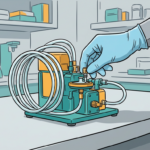
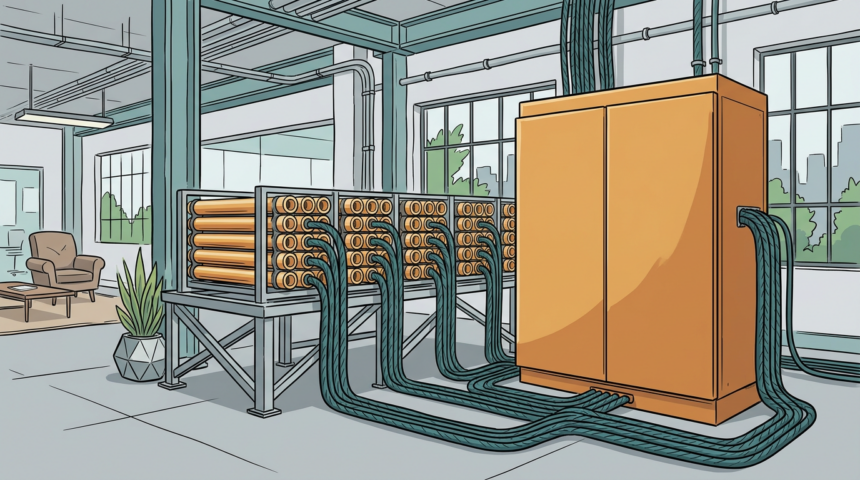
Petra Power builds solid oxide fuel cells, ceramic hardware that pulls electricity directly out of a fuel like natural gas rather than burning it. Founder Aaron Goodman frames the distinction as thermodynamics: combustion turns fuel into explosions, then heat, then motion, then power, shedding efficiency at every stage. Stripping electrons off the fuel takes one step with minimal loss, so in theory far more of the energy paid for ends up as electricity. Petra says that yields lower fuel bills, lower emissions and a smaller physical footprint, since the cells are compact and light.
Data centers and the Defense Department are the two customer groups Goodman is chasing. He will not identify partners yet, saying only that Petra works with neoclouds and other infrastructure providers sitting a few steps below the hyperscalers, and conceding those larger players are harder to land.
The schedule stretches out. Those customers are targeted for a first deployment in 2028, with full-scale production hoped for in 2029. Petra was founded in 2017.
Why it matters: AI’s power hunger has become a financing problem for the ecosystem, not merely an engineering one. A startup that can deliver megawatts without waiting years for grid interconnection holds a real wedge, even if its sales cycles run to the end of the decade.