
TechflierTechflierTechflier
  • Home
  • News
  • Features
  • Spotlight
  • About
    • Mission
    • Services
    • Contact
  • Newsletter
  • Shop
    • All Items
    • By Category
      • Bags
      • T-Shirts
    • Cart
Search
© 2025 Techflier. All Rights Reserved.
Reading: Monopulse draws €2M to harden NATO drones against jamming
Share
Font ResizerAa
TechflierTechflier
Font ResizerAa
  • Home
  • News
  • Features
  • Spotlight
  • About
  • Newsletter
  • Shop
Search
  • Home
  • News
  • Features
  • Spotlight
  • About
    • Mission
    • Services
    • Contact
  • Newsletter
  • Shop
    • All Items
    • By Category
    • Cart
Have an existing account? Sign In
Follow US
© 2025 Techflier. All Rights Reserved.
News

Monopulse draws €2M to harden NATO drones against jamming

A Danish-Lithuanian drone maker already supplying NATO forces has raised fresh capital to expand production of reconnaissance aircraft built to survive electronic warfare.

Techflier Staff
Last updated: October 13, 2026 1:55 am
Techflier
Share
SHARE

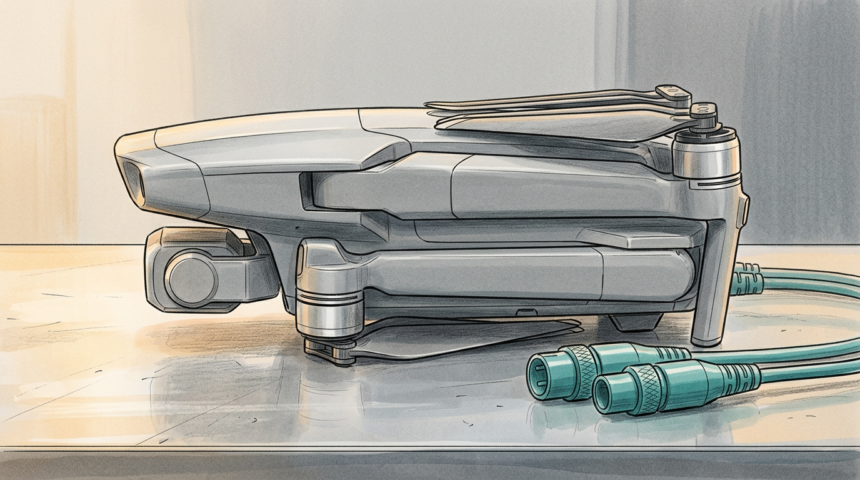
A jammed radio link can kill a battlefield drone, and European defense startups now treat that weakness as their core engineering challenge. Monopulse, based in Lithuania, bets on hardware that keeps flying once the signal drops.

Trading as Monopulse and registered as MNP Technologijos, the company has drawn more than €2M from backers at home and overseas. Three firms signed on: Coinvest Capital, Plug and Play and NGL Ventures. The biggest single slice came from NGL’s angel syndicate, whose 68 investors together supplied €560,000, a record for that group.

Reconnaissance drones for NATO militaries are the focus of the 2021-founded business, spanning surveillance from the air and on water. Aircraft from the company already fly for the armed forces of Lithuania and Denmark. Production capacity, quicker research and development, and entry into further NATO markets will take the new money. Two flagship products anchor the range: the Falcon MK3S, offered in variants tuned for intelligence, surveillance and reconnaissance work and other specialist roles, and the Hydrohex system.

Resilience is the whole pitch. To keep its drones dependable amid electronic warfare, the firm blends aerospace engineering, electronics, sensor fusion, computer vision and AI, so an aircraft can hold its communications or fly autonomously when signals vanish. That requirement climbed the priority list as jamming reshaped both the war in Ukraine and procurement planning across the alliance.

Government budgets loosened and acquisition cycles shortened over the past two years, and venture money followed into European defense tech. That suits small manufacturers such as Monopulse, which sell straight to militaries instead of waiting on prime contractors. Its combined aerial and maritime range also suits coastal monitoring, a niche NATO members have elevated since strikes on undersea infrastructure exposed gaps in maritime awareness.


India’s Frugal Innovators: Clay Fridges, Lotus Fiber Scarves, and Smart Farming Tools Redefine Rural Entrepreneurship
Nobel Prize winner John Jumper leaves DeepMind for Anthropic
Atira banks $17.5M to automate industrial sales bids
Baidu Signals the End of the Model Wars: Why AI Agents Are What Actually Matters Now
A thinner brain implant wins $250M for Precision Neuroscience
TAGGED:defenseTechdronesEuropefundingLithuaniaNATO
SOURCES:Tech.eu
Share This Article
Facebook Copy Link Print
Previous Article Why data center secrecy is now a problem for AI builders
Next Article Scarlet collects $50M to clear the AI device approval backlog

Get Some Gear


Quick Links

  • News
  • Features
  • Spotlight
  • Newsletter
  • Store

About Techflier

  • About Techflier
  • Services
  • Contact Us
  • Privacy
  • Legal

Indices

TechflierTechflier
Follow US
© 2026 Techflier. All Rights Reserved.
Welcome Back!

Sign in to your account

Username or Email Address
Password

Lost your password?