Defense startups usually sell software, sensors or airframes. Warhound intends to sell animals, built in a lab, edited for durability and dressed by Anduril, and investors have already put $200 million behind a $1.2 billion valuation with no dog yet born.
The Texas company left stealth on October 22, and nobody has been named lead on its seed round. Six major funds are in: Sequoia, In-Q-Tel, ARK Invest, Franklin Templeton, 8VC and Lux Capital. Seven others round out the syndicate, among them USIT, Breyer Capital, CAZ Investments, Neogenesis, Builders VC, plus Bob Nelsen.
The case for editing dogs
The pitch rests on two numbers: under half the working dogs the US military purchases are ever fit for duty, and Europe supplies better than four in five of them. Warhound’s answer is to stop shopping and start growing.
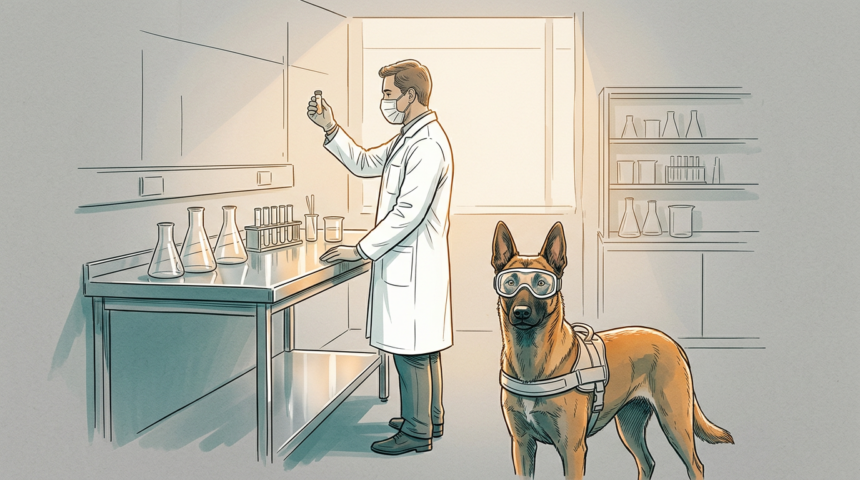
Colossal Biosciences, run by co-founder and chief executive Ben Lamm, pulls cell lines from proven Belgian Malinois and German shepherds and banks them. Gene work then adds helpful traits and strips out defects such as hip dysplasia and muscle atrophy. Cloning falls to Viagen, another Colossal unit. Anduril contributes body armor, eyewear, and tracking feeds for the handler.
Lamm stresses the gear is carried on the dog, not implanted.
Timing and who buys
Cloning and incubation of the opening litter are next; Lamm expects pups in early 2027 and deployment inside two years. Pricing is open, with the military, defense agencies, police and emergency crews pencilled in as buyers.
Who runs it
Former Marine David Spirk is chief executive; he was the Pentagon’s first chief data officer and later a senior counselor at Palantir. Luckey came up with the concept alongside Lamm but holds no equity; Colossal controls the ownership and licenses the science in.