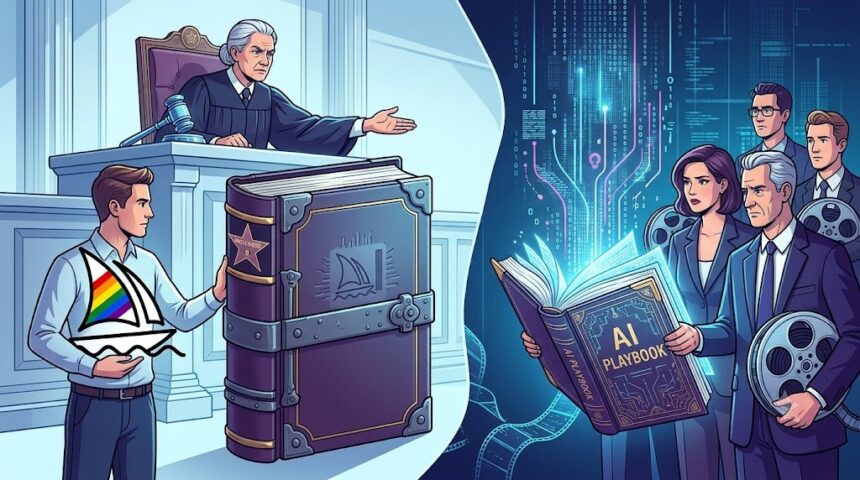
The copyright battle between Hollywood and generative AI is entering a new phase, and this time the questions are being turned back on the accusers. Midjourney, the image generation startup facing lawsuits from Disney, Universal, and Warner Bros., is pushing to force those studios to disclose how they use AI internally — arguing that anything less amounts to selective transparency.
At the heart of the dispute is what happens during legal discovery. A judge already ruled that the studios must hand over information about their generative AI use, but only when it results in consumer-facing content. Midjourney wants that restriction lifted, claiming the studios are cherry-picking which documents to produce in order to protect their case while hiding evidence that undermines it.
The startup’s legal team points to a potentially damning scenario: if the studios are also training image-generation models on copyrighted material for internal storyboarding or ideation, that would suggest the practice is standard across the industry. “That evidence would equally demonstrate that it is an industry custom, even among the studios themselves, to download and train AI on unlicensed copyrighted content,” the filing argues.
Midjourney also wants full disclosure of every prompt used in its tool by studio employees, not just the ones that allegedly produced infringing images. The studios have described this as a fishing expedition, with their lead attorney insisting the lawsuit is narrowly aimed at stopping Midjourney from reproducing their characters without permission — not at shutting down AI technology writ large.
The outcome of this discovery fight could have ripple effects across the entertainment industry. If Midjourney succeeds in forcing broad disclosure, it could reveal just how aggressively Hollywood is already experimenting with the very tools it’s trying to restrict for others.
Source: TechCrunch