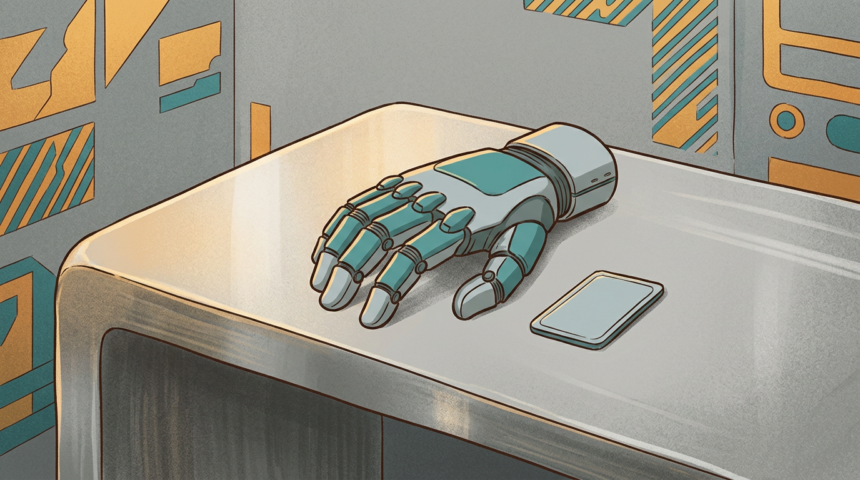
Seeing and walking are largely solved problems for humanoid robots. Feeling is not, and that shortfall explains why a robot can still crush a mug it meant to pick up gently.
Matrix Innovation has collected tens of millions of RMB. Backers in the Dongguan tactile-sensor maker’s round include X Square Robot, Songshan Lake investment capital and XBOT PARK Fund, which returned for another check, while a second embodied-AI company also took part. STAR Market Daily reported the deal on October 10.
Kuang Zheng, once a sensor engineer at DJI, started the firm in 2021. Flexible pressure sensors and gloves form its product line, capturing the touch and hand-position data that trains robots. Six data-glove products have shipped, among them versions fitted with more than 360 sensing points, and some designs carry over 800 of them.
A new generation of data-collection gloves, improvements to the supply chain and added manufacturing capacity will absorb the money. In 2025 the company shipped 350,000 sensor sets and supplies robot makers and data-collection companies; for 2026 it expects data-glove shipments to reach several thousand units.
This mirrors where the entire humanoid field is heading. The scarce input is real-world manipulation data rather than model architecture, and gathering it at scale demands wearable hardware that lets people go about ordinary tasks while it records.
China’s embodied AI supply chain has thickened fast. Sensor, actuator and dexterous-hand suppliers now cluster in regional hubs and raise funds alongside the robot makers they supply.