
Selling electricity is now part of Redwood Materials’ business, not just recycling electric vehicle batteries. AI data centers that lack the patience for a grid hookup are the target customers.
JB Straubel, the company’s chief executive and a Tesla co-founder, argued in a Wednesday blog post that years can pass before a grid connection arrives. What he proposes goes by the industry label behind-the-meter: power generated and stored on location, no utility link required.
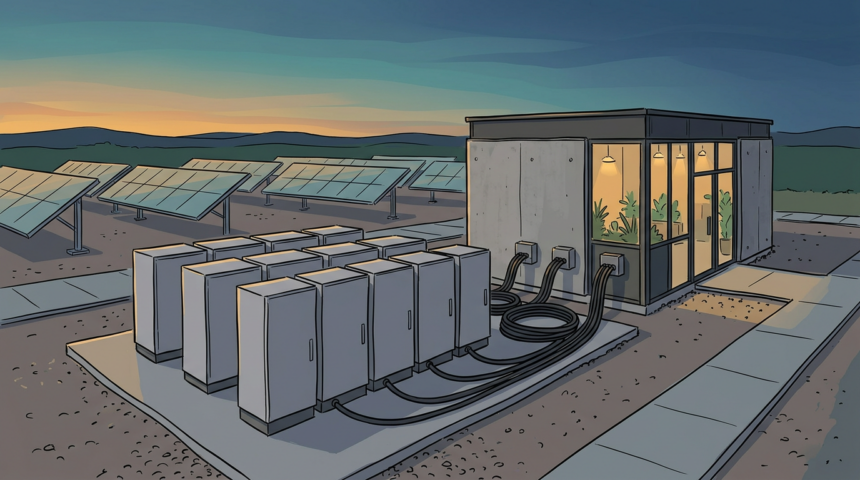
Under the plan, second-life EV batteries would be paired with solar panels and additional on-site sources, letting customers make and hold their own electricity. Rivian already serves as a proving ground, where Redwood recycles the automaker’s used packs and fits storage systems at its plants, an effort that builds on a 10 megawatt-hour installation at the Illinois factory.
Hardware is where the margin sits. By wrapping the batteries in its own power electronics and software, Redwood turns a recycling outfit into something wider, with higher-margin equipment attached. The Redwood Energy division, launched last year, rests on the premise that retired car batteries retain useful life for years afterward, and a large battery system has already been built for a Crusoe data center.
Where he locates the opening is unmistakable. In his words, “The underlying problem is speed to power,” a nod to how desperately AI builders are chasing electricity. Timing favors the pitch: developers rank grid interconnection queues among their toughest barriers, and utilities across several US regions report backlogs stretching over multiple years as AI demand climbs. Generating power on-site dodges that line altogether, though fuel, land and permitting demands come with it. What investors once funded as a recycling play is increasingly a faster route to power for energy-hungry data centers, a second act drawing on the same battery supply Redwood already handles.