
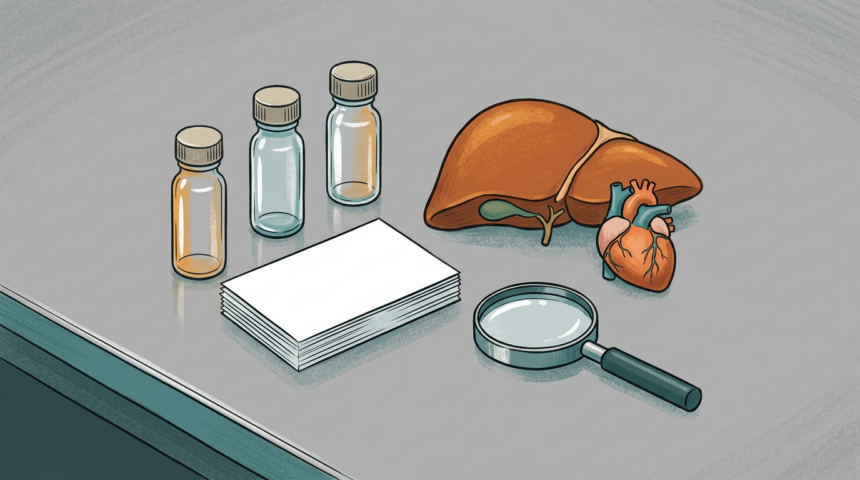
Drug discovery partnerships keep getting bigger, and increasingly they are paid for later. AstraZeneca has struck a collaboration with machine learning biotech insitro worth up to about $1.5B, focused on liver and heart disease.
The structure is familiar to anyone who tracks pharma dealmaking: a modest upfront payment, then milestones and royalties stretched across years of research. Most of the headline number only arrives if programs make it through the clinic.
Insitro uses large experimental datasets to model how cells and tissues behave, then looks for targets and molecules that shift those models in a useful direction. Its focus areas include metabolic and liver conditions, where the biology is messy and existing treatments remain limited.
AstraZeneca’s interest lands hardest on MASH, the fatty liver disease that has become one of biotech’s most competitive battlegrounds. Several companies have stumbled late in development, which makes better target selection valuable.
The arrangement lets a large pharma company buy access to a discovery engine without absorbing the platform risk, while the startup gets a validation stamp and non-dilutive capital. It is the same template used across the sector, from antibody design shops to protein folding firms.
The open question is whether the models actually shorten timelines. Insitro’s own pipeline is still early, and a partnership of this size will be judged on whether any candidate reaches trials.
For now, the deal is a signal that pharma is willing to pay up for computational discovery, as long as the cheque clears in instalments.