Slovakian autonomous flight is not a phrase investors hear often. Reliable Robotics has spent nearly a decade trying to make unmanned cargo flight an FAA-certifiable product, and it just priced the patience accordingly.
The Mountain View company extended its Series D with $115M, split between $90M of equity led by Nimble Partners and $25M of debt from Silicon Valley Bank. The round now totals $275M and pushed the valuation past $1B, with Gideon Strategic Partners, RockCreek, Geek Ventures, Gold Hill Capital and Sparkwave Capital also participating. Cumulative funding stands at $380M.
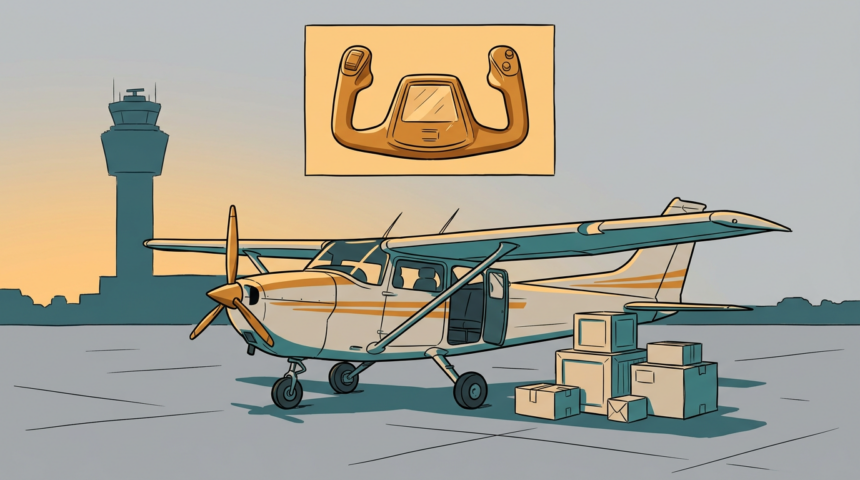
The commercial plan avoids the hardest version of autonomy. Reliable’s first product, continuous autopilot engagement, keeps a pilot in the aircraft while handling engine start, taxi, takeoff and landing, with that pilot supervising through a touchscreen. Chief executive Robert Rose expects certification within 18 to 24 months.
Four approvals, one airline
Removing the pilot entirely is the second step, and Rose frames it as at least three years out, with the human relocated to a ground-control station. A third track covers a solid-state collision-avoidance radar that Reliable built in-house after failing to interest legacy suppliers, targeting certification by the end of 2027.
The fourth is the least glamorous and possibly decisive: Reliable Airlines, an Albuquerque cargo carrier already flying six Cessna Caravans six days a week. The FAA certifies equipment and airline operations under separate rules.
Rose and chief technology officer Juerg Frefel both came from SpaceX, and the pitch to backers is that the system fits existing airframes rather than requiring a new aircraft. Nimble’s John Burbank argues that once the first approval lands, the rest of the sector will treat autonomy as the default path, much as cars are heading.