
South African fintech Lumepay has been quietly moving money while it stayed quiet about the money moving in. This week it opened both files at once.
The startup disclosed a $6M pre-seed round, closed early this year and backed by founder-led angels and South African fintech investors, alongside roughly $10M in capital float to keep cross-border payments liquid. It also launched in Kenya after clearance from the Central Bank of Kenya.
Its customers are the unglamorous ones: SMEs, large corporates and banks that need to pay overseas suppliers and move funds between African markets in yuan, dollars and rupees.
Two rails, one settlement desk
Chief executive Harry Huang describes the model as rail-agnostic, pairing traditional correspondent banking with digital asset settlement and enough foreign exchange depth to make either work for a real invoice. The company launched Lumetrade, its stablecoin and digital asset trading venue, in April, then its payments platform in June.
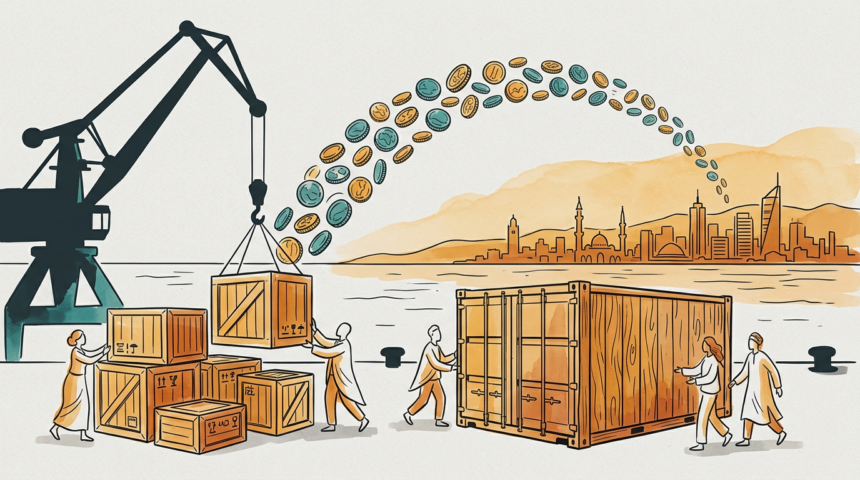
The pitch targets a specific inefficiency. A Kenyan importer paying a Chinese manufacturer may see its shillings converted to dollars, then to yuan, with a spread and a delay at every hop.
Kenya is a crowded market for that pitch, with banks, remittance firms and other stablecoin startups all chasing the same importers. Lumepay’s argument is that the combination, rather than either rail alone, produces the cheaper settlement.
Proving it means showing real invoice economics: what a supplier actually receives, what the spread costs and how long it takes. Until those numbers are public, the round is a statement of intent rather than evidence. Co-founders Luc Varejes and Tatenda Nhemachena round out a team betting that Africa’s payment rails get rebuilt from the middle, not the top.