Buy-now-pay-later in the Philippines runs on borrowed money, and BillEase just borrowed more of it.
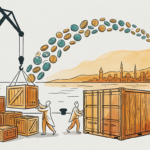
The Manila-based consumer finance platform has secured a 500 million peso credit facility, about $7.9M, from Philippine Bank of Communications. The loan is secured against a pool of its consumer receivables, with the security interests registered through the country’s Personal Property Security Registry.
PBCOM joins RCBC and Philippine National Bank among BillEase’s domestic bank lenders, a sign that local institutions increasingly treat BNPL receivables as bankable collateral rather than a consumer-credit curiosity.
Profitability arrives before the next raise
The numbers behind the facility are the story. BillEase said revenue for its 2025 financial year climbed more than 80% to 8.7 billion pesos, roughly $138M, while net profit reached 782 million pesos, or about $12.4M.
That combination – rapid growth with an actual bottom line – is rare in Southeast Asian consumer fintech, where lenders have spent years buying market share. It helps explain why a mid-sized universal bank was willing to underwrite a portfolio of small instalment loans.
Debt facilities like this one are also how the model scales without dilution. Every peso lent to a shopper has to be funded by someone, so access to cheap local capital is the real competitive moat, more than the app or the checkout widget.
The regulatory backdrop is shifting too. A regional research paper cited by Tech in Asia notes that Philippine BNPL oversight sits inside broader digital finance and consumer credit rules rather than dedicated legislation, even as scrutiny of over-indebtedness and fee transparency tightens across ASEAN.
For BillEase, the next test is whether bank funding keeps pace with growth while loan quality holds. Cheaper capital is a weapon only as long as borrowers repay.