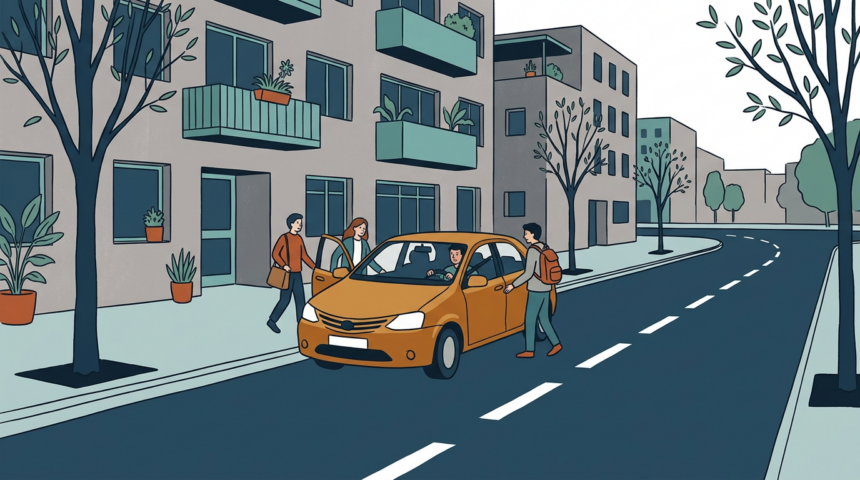
Nigerian mobility company Shuttlers is going back to door-to-door. On September 25 it launches Shuttlers Pod, a car that collects up to four commuters from their homes in sequence and drops each at their own destination.
The product revives a model Shuttlers abandoned years ago. It started as a doorstep service but moved to fixed bus stops because coordinating pickups without technology was too hard, and the original economics did not work. Its current fleet tops 430 buses a day across Lagos, Abuja and Port Harcourt, with more than 10 million journeys completed to date.
Pod requires booking ahead, and riders pay for at least two trips a week. Fares vary with how many people share the vehicle. Chief executive Damilola Olokesusi told TechCabal that scheduling is what makes the service affordable, with vehicles allocated roughly 24 hours in advance.
Pod’s September 4 unveiling came two days after Uber closed its Nigerian operations, ending a 12-year run. Management sees room among commuters now paying for private rides; internal figures show many customers burn 10 to 20 minutes getting to a bus stop, or miss buses when last-mile connections run late.
Economics remain the open question. Shuttlers guarantees fleet partners a fixed payment per trip and takes on the risk of filling seats. On a bus that promise spreads across 15 or 30 seats; on a Pod it rests on four, and critics point to weak consumer purchasing power after years of inflation.