
Meta confirmed on November 4 that it has acquired Conductor, the two-year-old startup behind a Mac app that lets engineers run several AI coding agents at once. Neither side disclosed the price.
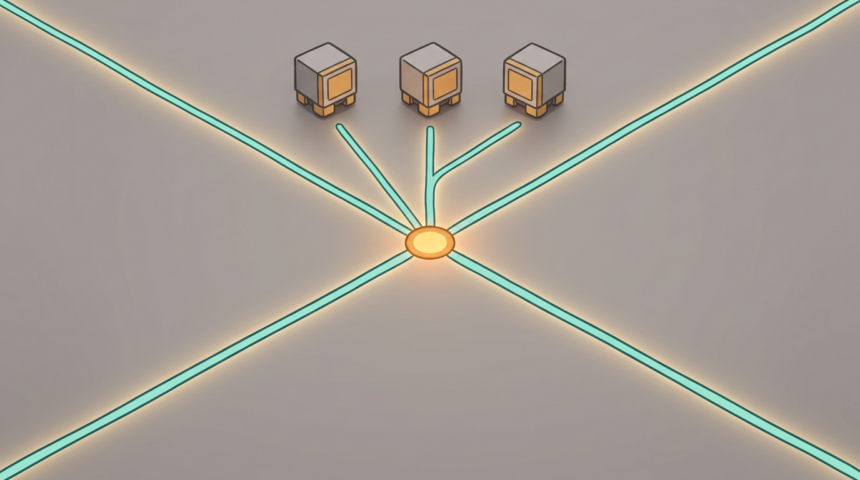
Conductor was founded in 2024 by Charlie Holtz, its chief executive, and Jackson de Campos, chief technical officer. Its software acts as a control room for agents built by Anthropic, OpenAI and Cursor, keeping parallel workstreams separated so engineers can compare output instead of queuing behind one model.
Axios reported the deal first, citing people familiar with it. Meta later confirmed it without adding detail.
Why Meta wants the orchestration layer
Coding has become the most valuable proving ground in AI. It generates real revenue, and it produces the training signal that keeps frontier models improving. Owning the tool developers open every morning is a shortcut to both.
Meta is not alone. The same day, OpenAI told Axios it plans to buy Pierre Computer, which stores and manages AI-generated code. OpenAI had already announced plans in June to acquire Ona, which builds cloud coding environments and agent orchestration.
The deals split the same problem three ways. Pierre handles the code, Ona the workspace, Conductor the coordination of many agents.
What happens to Conductor users
Conductor’s cloud service is expected to shut on November 20, with user data deleted afterward, according to notices to customers. Core features keep working into early 2027.
Developers now face a neutrality question. An orchestration tool owned by a model maker has an obvious incentive to favour its own systems, and Conductor’s value came partly from indifference about who supplied the agents.
Holtz joins Meta’s Superintelligence Labs, according to accounts of the deal. The pattern is familiar in 2026: AI giants buy small developer-tools teams rather than build the interfaces themselves.