
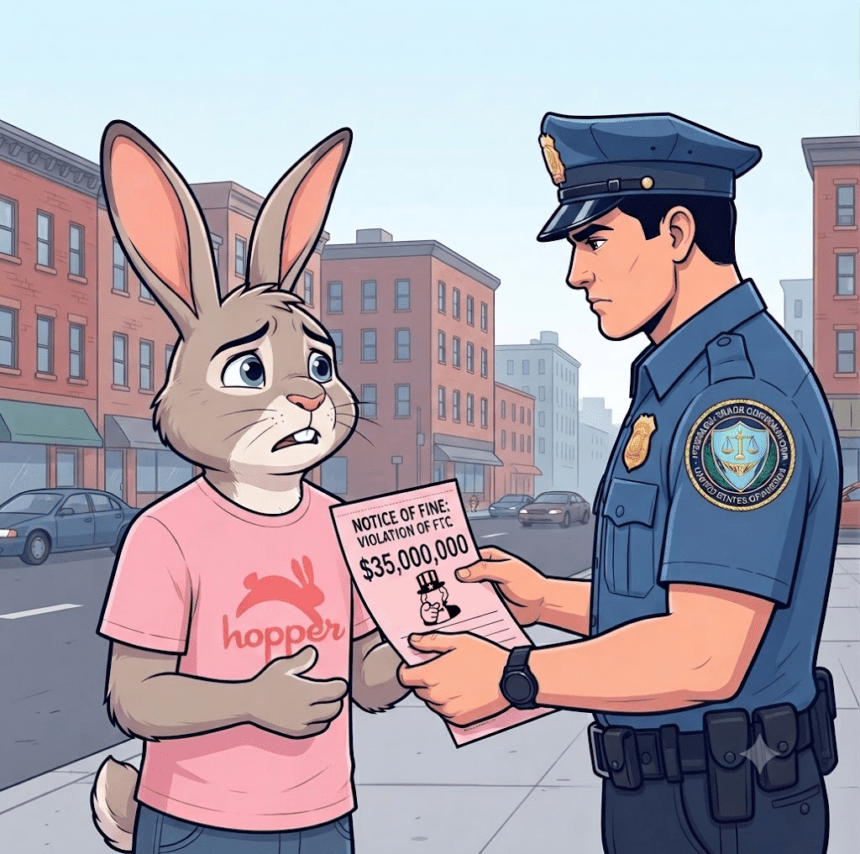
The Federal Trade Commission has secured a $35 million settlement from travel booking app Hopper over allegations that it misled customers with hidden fees and deceptive pricing practices. The case adds to a growing list of enforcement actions targeting so-called “dark patterns” in consumer apps.
According to the FTC’s complaint, Hopper charged users for services like “VIP Support” and “Price Freeze” without clearly disclosing the real costs or the limited nature of what those features actually delivered. Many customers found themselves billed for add-ons they didn’t realize were selected, a practice regulators say exploits the way people navigate mobile interfaces under time pressure.
This isn’t an isolated case. The FTC has been systematically going after companies that bury fees behind confusing checkout flows and auto-selected upsells. Similar settlements have been reached with Match Group, StubHub, and Epic Games over Fortnite in recent years. Each case chips away at the same fundamental practice: making cancellation difficult or adding charges in ways users aren’t likely to notice until after they’ve paid.
For Hopper, the settlement is a costly reminder that the AI-powered travel industry’s growth phase doesn’t exempt companies from basic consumer protection rules. The company built its reputation on predicting flight and hotel prices using machine learning, but regulators are increasingly looking past the technology to scrutinize the business practices underneath.
The $35 million figure reflects both the scale of the alleged violations and the FTC’s determination to set precedents in the travel tech space. With more travelers booking through apps than ever before, the outcome could reshape how travel platforms design their pricing interfaces going forward.
Source: TechCrunch